

Psychedelic Psilocybin Therapy
How Does Psychedelic Psilocybin Therapy Work?
Psilocybin is a naturally occurring psychedelic compound that can support a heightened state of awareness and emotional openness. In a therapeutic setting, it is used with intention, preparation, and integration, allowing individuals to observe their inner experiences with greater clarity and curiosity. Research suggests psilocybin may temporarily increase neuroplasticity, creating space for new perspectives, emotional processing, and insight. When used responsibly and within a structured therapeutic framework, psilocybin-assisted therapy can help people explore deeply rooted patterns, emotions, and beliefs in a supported and reflective way.
What is Together in Wholeness’ Approach to Psilocybin Integrated Therapy?
Together in Wholeness approaches Psilocybin Therapy by taking the following steps:
The process begins with an initial assessment consultation to determine whether psilocybin-assisted therapy is an appropriate fit. This includes discussing personal history, current mental health concerns, medications, and any conditions for which this type of work may not be recommended. Time is also spent getting to know one another and discussing intentions, as a strong therapeutic relationship is an important foundation for this work.
If it’s decided that this can benefit your healing journey, preparation sessions will follow next. These sessions focus on clarifying intentions, and discussing what the experience may involve. Preparation is designed to ensure that the process is approached with care, understanding, and a sense of safety. In our practice, we work with a minimum of 2 55- min prep sessions.
Once preparation is complete, a psilocybin session is scheduled. The therapist provides support before, during, and after the experience, creating a structured and contained environment.
Integration sessions follow to help process what emerged during the experience. These sessions focus on reflection, meaning-making, and understanding how insights or emotions can be carried forward into daily life.
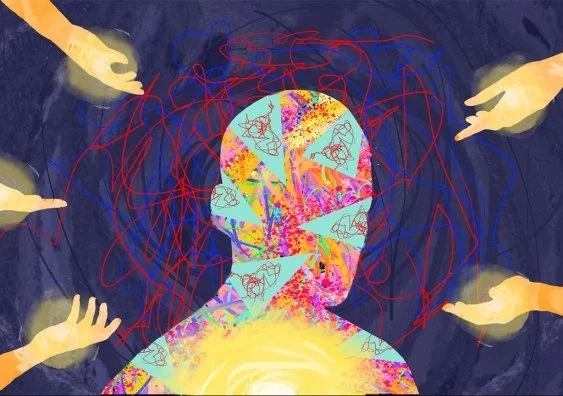
Before engaging in psilocybin-assisted therapy, it is important to establish a trusting and supportive relationship with your therapist. Several preparatory sessions are typically part of the process to ensure safety, clarity of intention, and readiness. Psilocybin work can bring forward emotions, memories, and internal patterns more quickly than traditional talk therapy. Having an established therapeutic relationship provides a sense of stability and support, allowing the experience to be approached with care, trust, and thoughtful integration.
What Will My Psilocybin Therapy Session Experience Look Like?
In a psilocybin-assisted therapy session, the experience is shaped by the personal themes a client is working with, such as trauma, anxiety, long-standing patterns, or emotional blocks. As the experience unfolds, organic thoughts and emotions related to these areas may arise in different ways for each person. Some moments may feel inward and reflective, while others may involve speaking and processing aloud. Throughout the session, the therapist remains present and attentive, offering support, grounding, and gentle guidance when helpful. The role of the therapist is to help the client stay oriented, feel safe, and relate to what is emerging with curiosity and compassion, allowing the experience to connect meaningfully to their ongoing therapeutic work.
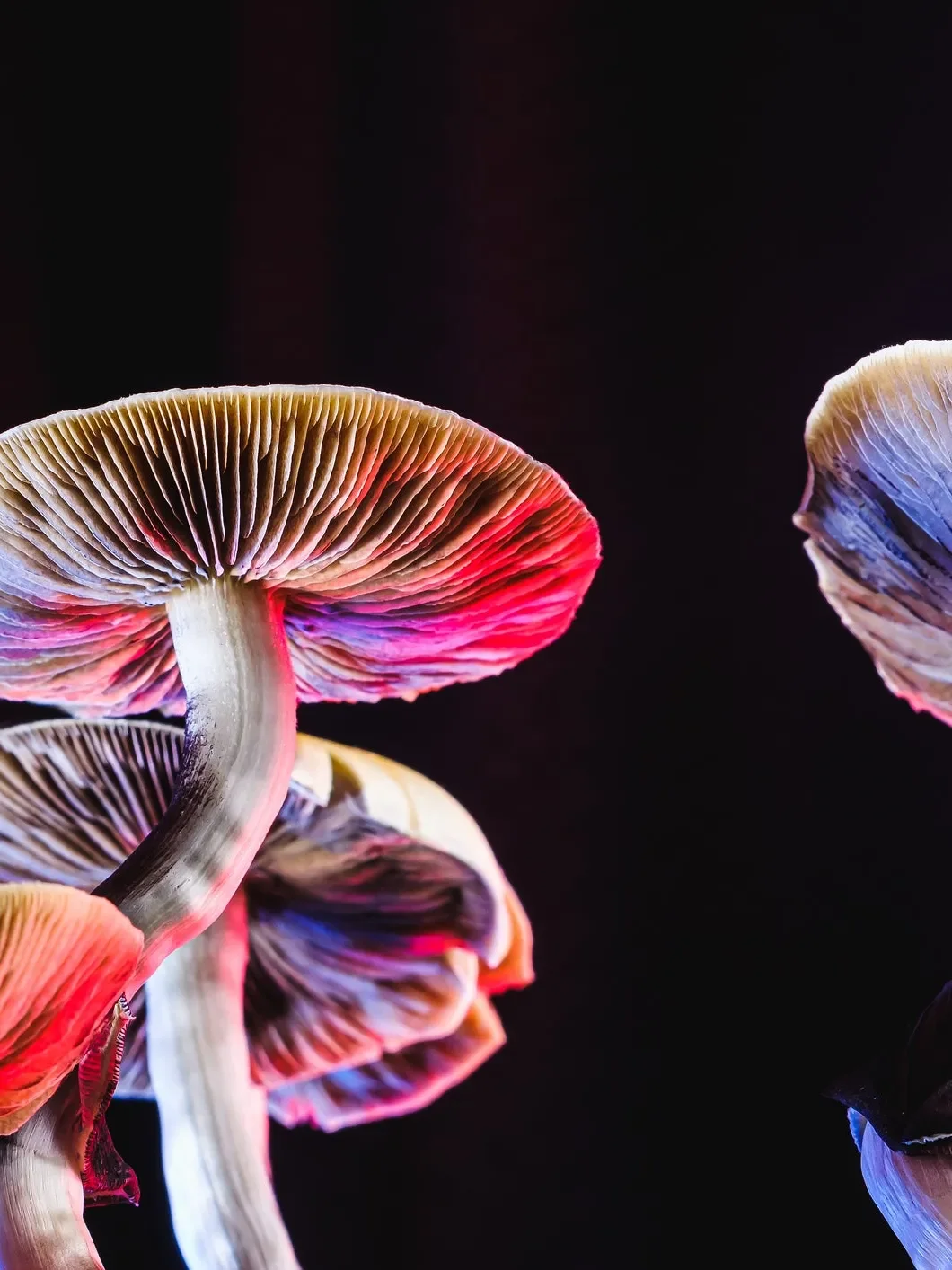
Integration sessions take place after a psilocybin-assisted therapy experience and is focused on making sense of what emerged. During these sessions, the client and therapist talk through memories, emotions, insights, or questions that arose, and explore how they connect to the client’s ongoing therapeutic work and daily life. Integration is reflective and paced, helping to ground the experience and support understanding, meaning, and continued processing over time.
“You can’t heal what you don’t reveal”
— Marianne Williamson